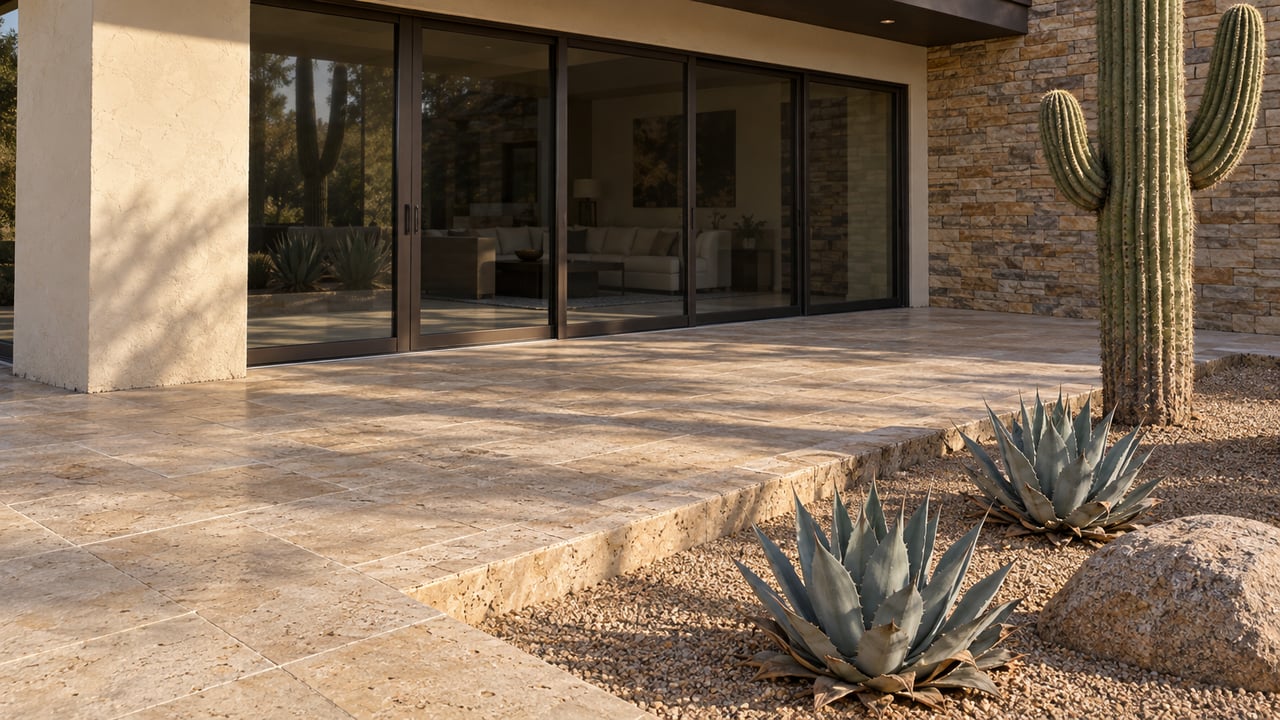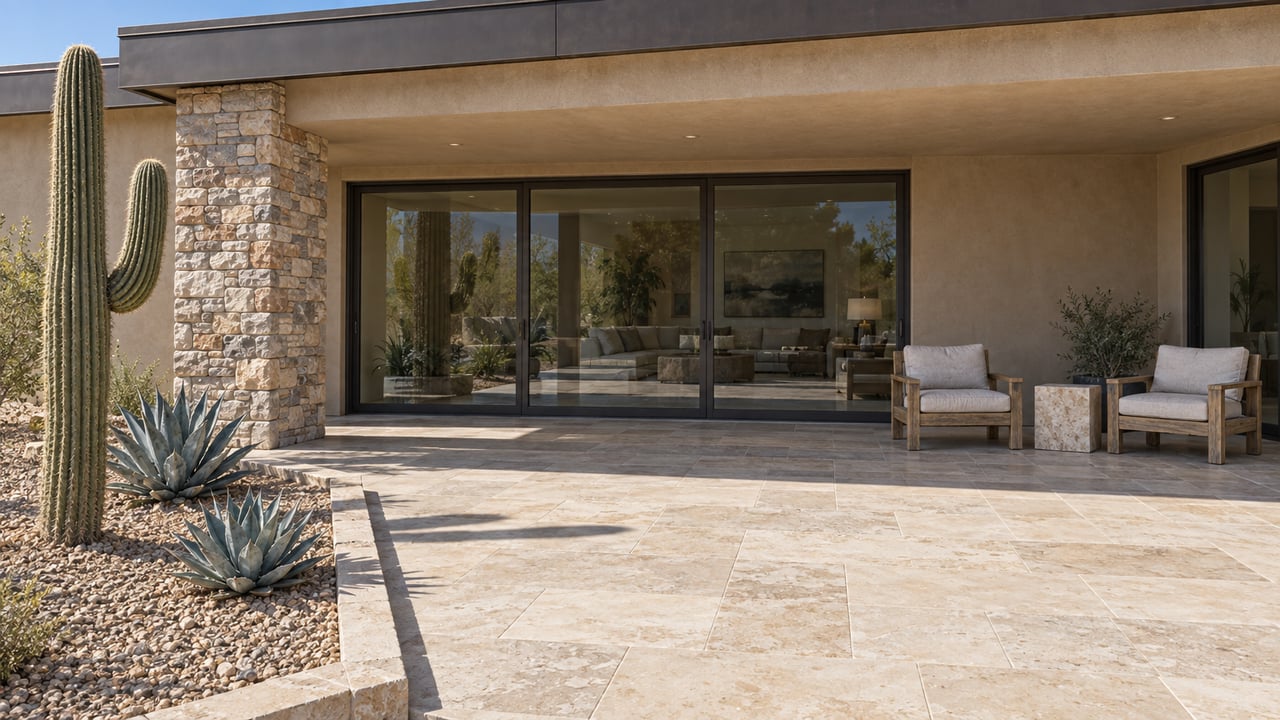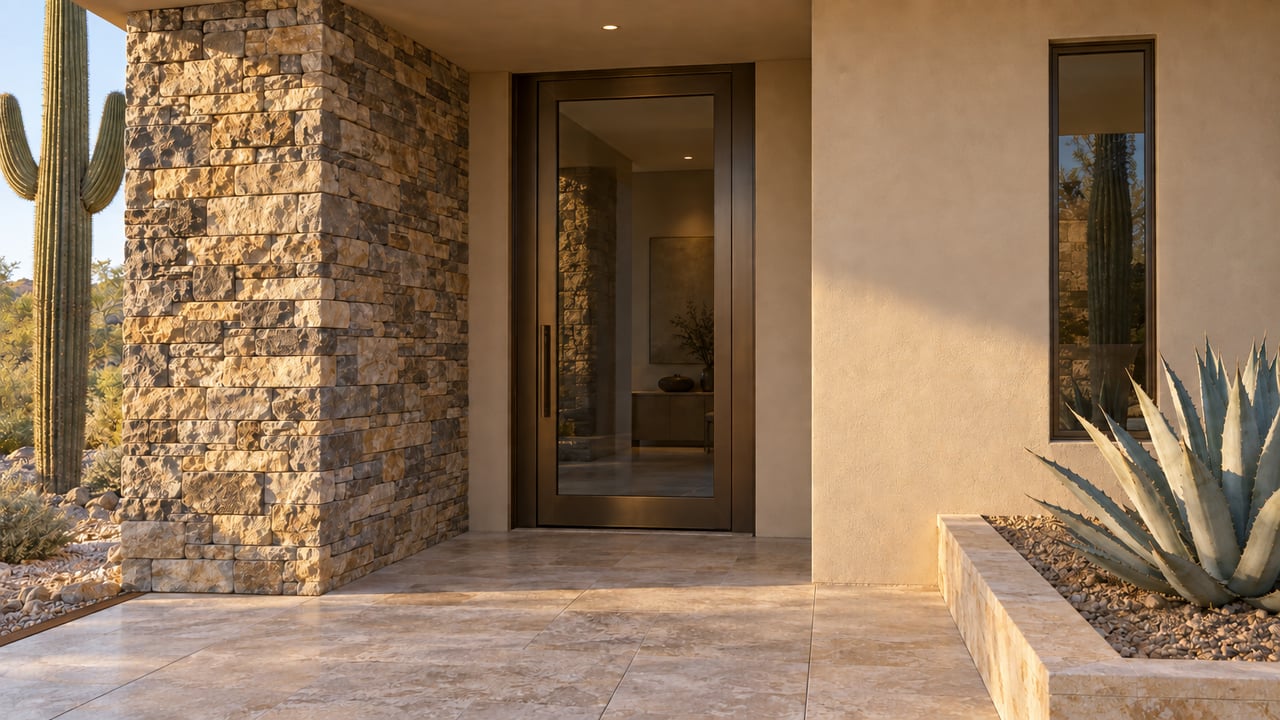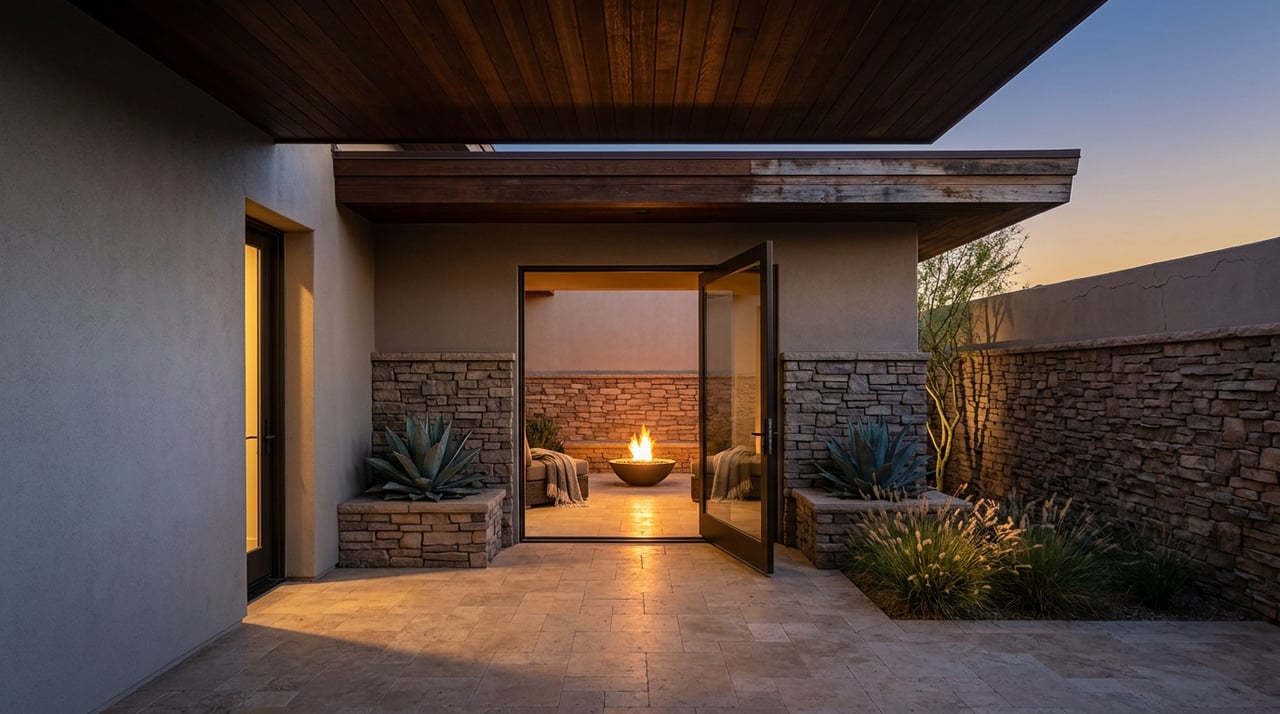
If you own a custom estate in Canyon Pass at Dove Mountain and you are watching the broader Marana market for cues on timing, stop. The numbers that apply to the rest of Dove Mountain do not apply inside your gates.
In current listings, luxury homes across Dove Mountain Resort as a whole are sitting for roughly 95 days at a median price near $2.07 million. Meanwhile, inside Canyon Pass specifically, active luxury listings carry a median list price of $2.6 million and are sitting for roughly 319 days. New construction inside Canyon Pass fares only slightly better, with active listings averaging around 254 days on market. That is not a slower version of the same market. It is a different market wearing the same zip code.
The reason has nothing to do with weak demand for Canyon Pass and everything to do with what a seller there is actually competing against.
Three Products, One Gate
Most resale sellers assume their competition is other resale homes. In Canyon Pass, that assumption breaks down, because the community is still selling three distinct kinds of inventory at once, all behind the same guard shack.
The first is raw land. Canyon Pass was developed by Cottonwood Properties starting in 1996 as a private 2,000-acre canyon community at the base of the Tortolita Mountains, with home sites averaging close to two acres and roughly 75 percent of the total acreage permanently set aside as open space. That land is still on the market today, and a buyer weighing your finished home is also weighing the option of buying a homesite and building from scratch.
The second is builder-fresh spec construction. Fairfield Homes currently markets a program called Custom Canyon Pass, offering homes with architectural plans already approved so a buyer can skip months of design review and start construction sooner. Dove Mountain Homes, the custom-build affiliate of Cottonwood Properties, is doing the same thing elsewhere in the community. These are new, unlived-in, builder-warrantied products competing directly against your resale listing.
The third is the actual resale pool, which is thin by comparison. When your buyer pool has to choose between dirt, a brand-new spec home, and your home, your home is the only one asking them to accept someone else's design decisions, someone else's finish choices, and someone else's wear pattern. That is a harder sell than price alone can fix.
What This Does To Your Appraisal
The longer market time is not just a marketing problem. It shows up again at the appraisal desk.
Lenders typically want at least three closed comparable sales within the last six months to support a valuation. In a community where true resales close infrequently and each home is genuinely different in size, finish level, and lot character, that bar is hard to clear. When comps run thin, appraisers lean more heavily on the cost approach, which estimates value from what it would cost to reproduce the home today rather than from what similar homes have actually sold for. That is a different number than a market-driven price, and it does not always land where a seller expects.
This is also where a Reconsideration of Value becomes a real tool rather than a formality. If an appraisal comes in below contract price, sellers and their agents can submit additional closed comparables or documentation the appraiser may not have had, and request a review. In a market like Canyon Pass, having that documentation ready before the appraisal is scheduled, not after, is the difference between holding a deal together and losing weeks to a second appraisal.
Pricing Against A Moving Target
None of this means Canyon Pass is a weak place to sell. It means the pricing conversation has to account for what else a buyer is looking at during the same search.
A homesite buyer is comparing your price against the cost of land plus construction plus the time to build. A spec-home buyer is comparing your price against a builder's incentive-adjusted number, which often includes design credits or rate buydowns that never show up on the sticker price. Pricing your resale purely against the last comparable sale, without accounting for what a buyer's other two options actually cost them in dollars and time, is one of the more common ways a Canyon Pass listing sits longer than it should.
Here is how the three products in Canyon Pass compare right now, based on active listings:
| Inventory type | Approximate count active | Typical price point | Time on market |
|---|---|---|---|
| Homesites (Cottonwood Properties and resales) | Roughly 18 parcels | Land only, price varies by acreage and view | Not time-bound the way a finished home is |
| New construction / spec (Fairfield Homes, Dove Mountain Homes) | Around 7 recent listings | Median near $2.39 million | Around 254 days |
| Resale custom homes | Around 11 to 17 listings | Median near $2.6 million | Around 319 days |
The gap between the new-construction number and the resale number is smaller than most sellers expect, which is itself useful information. It suggests buyers are not paying a steep premium for brand-new over resale once a home is priced correctly. What buyers are paying for is certainty: a known layout, a known finish level, and no waiting on construction.
What Actually Moves A Listing
Given all three products are competing for the same narrow buyer pool, presentation carries more weight in Canyon Pass than it does in a standard resale market. A buyer who could just as easily commission a custom build is not going to settle for a home that photographs like a standard resale listing. Staging, professional photography that captures the mountain and canyon views the lots are known for, and marketing that treats the home as a custom piece rather than a production listing all matter more here than they would in a typical subdivision.
It also means pricing conversations need to happen with real comparable data pulled from inside the gate, not from a broad Dove Mountain average, and not from a portal estimate that has no way of knowing which of the three inventory types it is actually comparing your home against. If you are weighing whether to list a Canyon Pass property this year, that is the first conversation worth having, before a number goes on a sign.
For a broader look at how new construction is shaping resale pricing elsewhere in Marana, our guide to new construction homes in Marana communities covers the production-builder side of that dynamic in communities like Gladden Farms and Saguaro Bloom, which behaves differently than the custom-lot economics inside Canyon Pass.
A Few Questions Worth Answering Directly
Does a longer time on market mean I should price lower? Not necessarily. It means the buyer pool is smaller and more deliberate, and pricing has to reflect what a buyer's realistic alternatives cost them, not just the last resale comp. Pricing too low to force a fast sale usually leaves money on the table in a market where the right buyer is out there but takes longer to find.
Why are there still empty lots for sale in a community built almost 30 years ago? Canyon Pass was designed to develop gradually across nearly 2,000 acres, with most of that acreage permanently preserved as open space. Homesites have continued to come to market in phases rather than all at once, which is why land, new construction, and resale all coexist today.
Should I get a pre-listing appraisal before I put my home on the market? In a thin-comp market like this one, a pre-listing valuation that documents your home's specific upgrades and pulls the most defensible available comparables can prevent surprises later, particularly if a lender's appraisal comes in during the buyer's financing process.
Selling a custom estate in Canyon Pass takes a different kind of pricing and marketing strategy than selling anywhere else in Dove Mountain. If you are weighing a listing, the Brenda O'Brien Team can walk through what the current mix of land, new construction, and resale inventory means for your specific home before you set a price.
This article is general information, not legal, tax or financial advice. Consult a qualified professional about your situation.