If you want lower-maintenance living in Tucson without giving up location or lifestyle, condos and townhomes deserve a close look. The options across Tucson’s urban core and foothills are more varied than many buyers expect, from historic downtown conversions to resort-style foothills communities with shared amenities. If you are trying to decide where attached living fits your goals, this guide will help you compare price points, lifestyle tradeoffs, and key due diligence steps. Let’s dive in.
Tucson attached housing at a glance
Tucson offers a broad attached-housing market. As of mid-July 2026, there were 295 condos for sale at a median listing price of $169,000 and 267 townhouses for sale at a median listing price of $260,000.
Within that larger market, prices and inventory shift quite a bit by area. Downtown Tucson had 8 condos at a median of $259,000, while Catalina Foothills had 92 condos at $285,000 and 54 townhouses at $478,000. Oro Valley showed 11 condos at $290,000 and 20 townhouses at $355,000, and Marana had 17 townhouses at $362,000.
That spread matters because attached living in Tucson is not limited to one type of buyer or one part of town. You can find urban, campus-adjacent, scenic foothills, and Northwest lock-and-leave options, each with a very different feel.
Why attached living is growing
Tucson’s planning changes reflect a wider acceptance of attached housing. The city council approved a middle-housing code amendment effective January 1, 2026, allowing duplexes, triplexes, fourplexes, townhomes, and cottage courts across most of the city except rural residential areas.
The city also defines middle housing to include townhomes and recognizes single-family attached homes as attached units that may share structural elements while keeping separate ownership lines. For buyers, that means attached housing is becoming a more visible and flexible part of Tucson’s housing landscape.
Urban core living in Tucson
Downtown and Fourth Avenue feel
If you are drawn to a more walkable routine, Tucson’s urban core offers a distinct lifestyle. Visit Tucson describes Downtown Tucson as a mix of culture, history, and modern energy, with the free-to-ride Sun Link Streetcar connecting all six downtown districts.
Fourth Avenue sits between downtown and the University of Arizona. It is known for cafés, restaurants, shops, art, books, and its twice-yearly street fair, which adds to the area’s active street life.
UA-adjacent character and convenience
The University Area is described by the city as a compact mix of residential, commercial, educational, and recreational uses tied to the University of Arizona and pedestrian-oriented services. That gives this part of town a more connected, mixed-use feel than many suburban areas.
Tucson’s historic-neighborhood guide also notes that Sonoran style is unique to Tucson and often appears as one-story rowhouses with fronts close to the street. In practical terms, buyers in the urban core may find homes with more architectural character and a stronger sense of place.
What urban-core condos can look like
Current listings show a wide range of condo styles in central Tucson. Examples include a historic 1908 boutique conversion with a $120 HOA, as well as a downtown tower unit with a pool, fitness center, meeting rooms, controlled access, secure parking, and a dog yard.
Other search results highlight proximity to the University of Arizona, the Riverwalk, bike paths, and restaurants. For many buyers, the tradeoff is simple: less private yard space in exchange for access, convenience, and a more walkable daily routine.
Who urban-core living may suit
Urban-core condos can appeal to buyers who value being close to campus, dining, arts, and nightlife. Based on the current market mix and area context, that often includes professionals, students, investors, and downsizers.
Amenity packages also vary widely downtown. Some homes are more character-driven with modest dues, while others lean into a fuller amenity set with parking, fitness, pool access, and controlled entry.
Foothills and Northwest townhome living
Catalina Foothills lifestyle
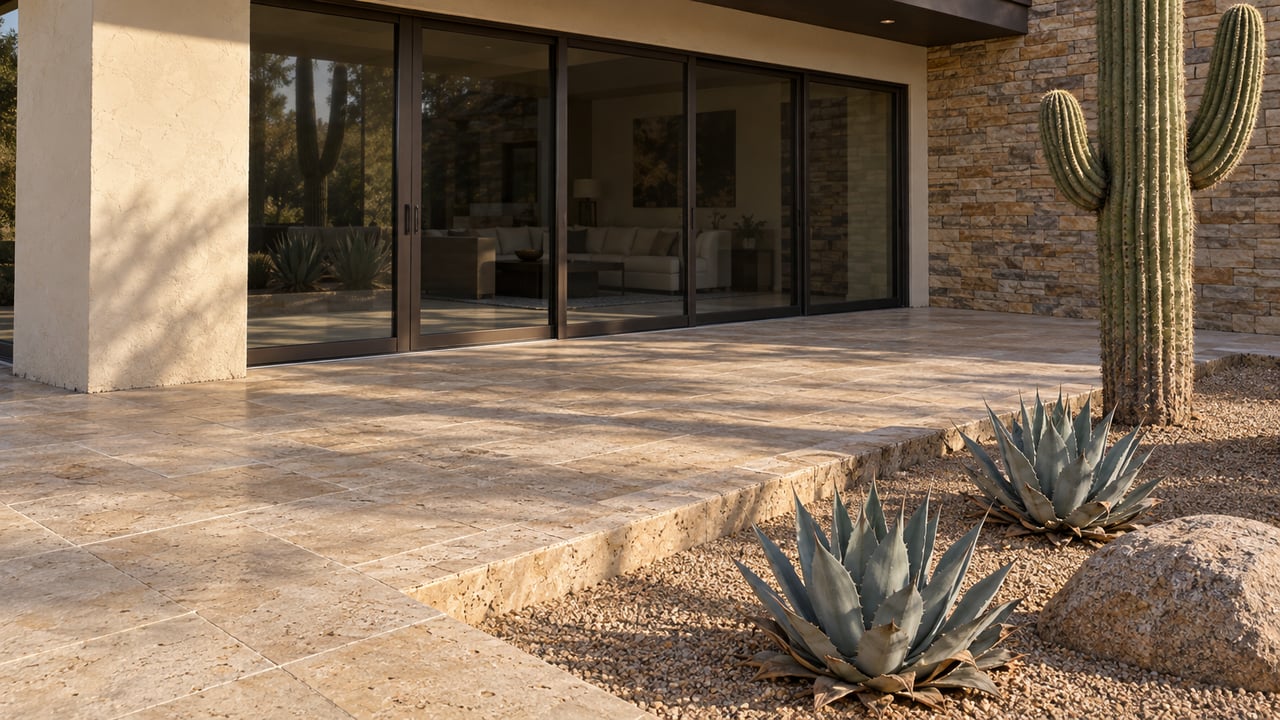
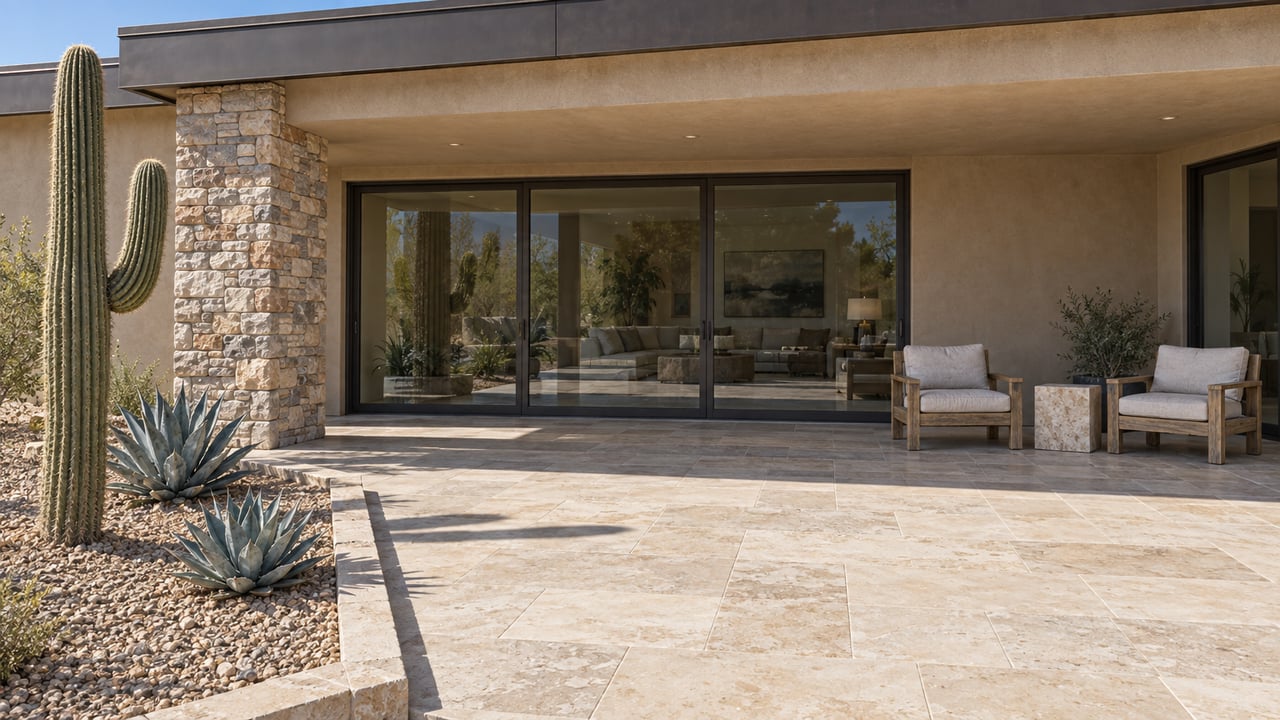
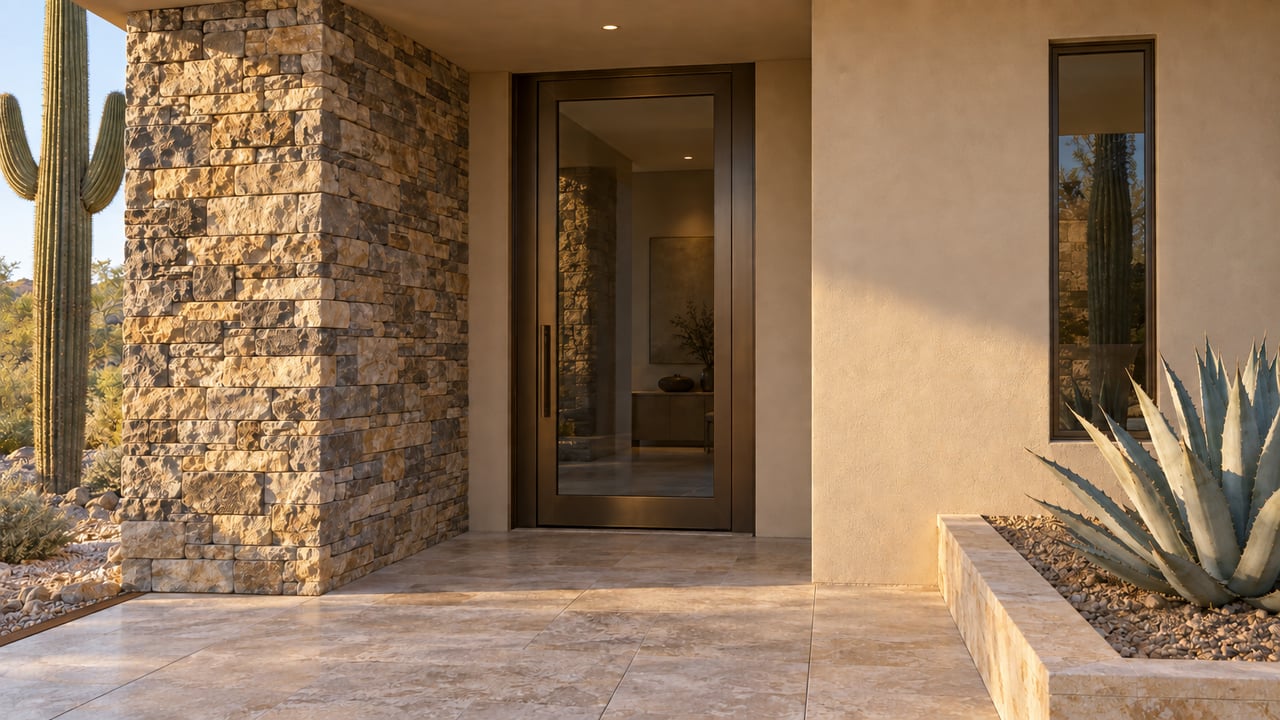
If your priorities lean more toward views and recreation, the Catalina Foothills offers a very different experience. Visit Tucson describes the area with art galleries, golf courses, restaurants, shopping, and mountain views, along with access to hiking in the Santa Catalina Foothills and Catalina State Park.
This is less about urban density and more about scenery, outdoor access, and a resort-adjacent atmosphere. That distinction is important when you compare it with downtown living.
Oro Valley and Marana options
Northwest communities offer another branch of Tucson’s attached-housing market. Oro Valley’s General Plan emphasizes scenic views, open space, trails, and a range of housing types that includes single-family attached homes, townhomes, condominiums, active retirement communities, and accessible options.
The same plan notes that younger and empty-nester professionals often look for smaller housing products on a permanent basis. That helps explain why townhomes and condos can be a strong fit for buyers seeking lower maintenance without leaving the Northwest Tucson area.
Prices and walkability in the foothills
The foothills and Northwest attached market is generally more expensive than the urban core. Catalina Foothills had a median listing price of $285,000 for condos and $478,000 for townhouses, while Oro Valley posted $290,000 for condos and $355,000 for townhouses, and Marana townhouses came in at $362,000.
These areas also tend to be less walkable. Redfin reports Walk Scores of 13 for Catalina Foothills, 12 for Oro Valley, and 14 for Marana, so many buyers will rely more on a car for day-to-day errands.
Common amenities in foothills communities
Current listings show the kinds of features buyers often find in foothills and Northwest communities. These may include golf-course views, gated entries, community pools and spas, fitness centers, libraries, clubhouses, attached garages, patios, and HOA-covered exterior care.
Some HOA packages also cover road maintenance, trash pickup, and common-area landscaping. In Oro Valley, recent townhome listings specifically mention combinations such as two pools, a spa, fitness center, library, and clubhouse.
Who foothills townhomes may suit
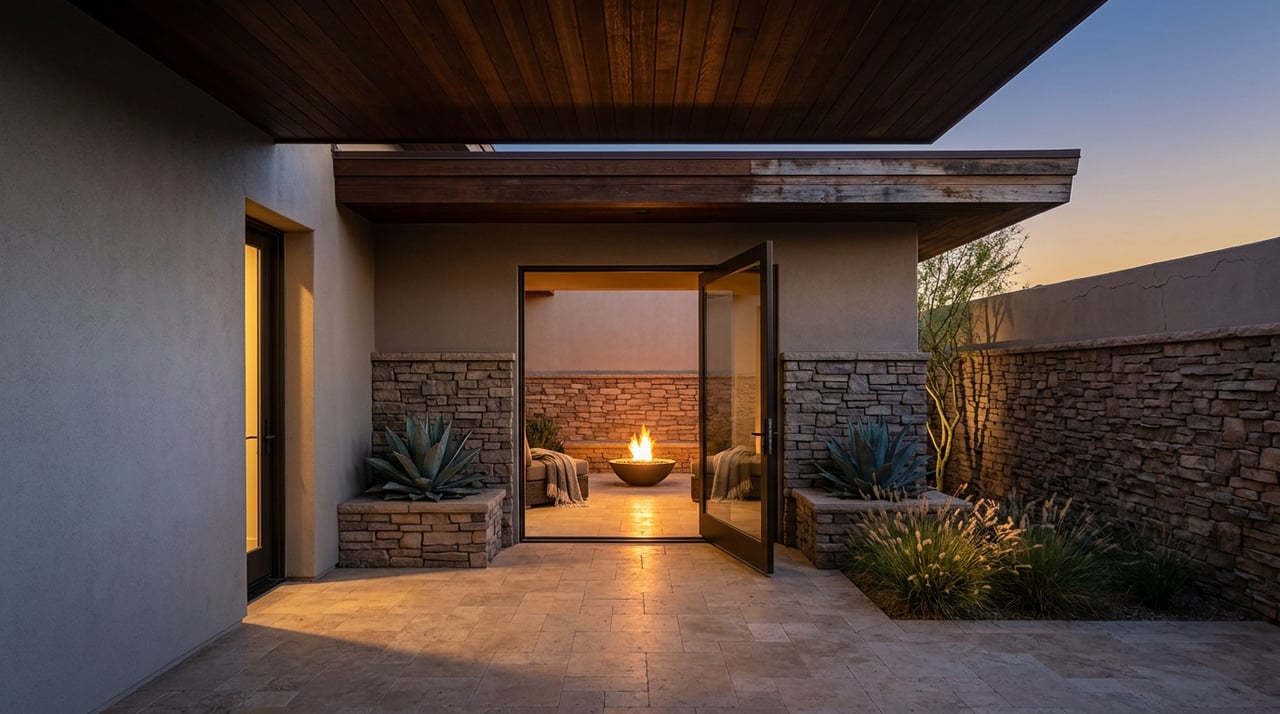
This style of living often fits buyers who want a lock-and-leave setup, lower exterior maintenance, and access to recreation. Based on the planning documents, area descriptions, and current listing examples, that can include downsizers, retirees, second-home buyers, golfers, and snowbird households.
For many of these buyers, lifestyle fit matters as much as the floor plan. A community with the right maintenance setup, views, and amenities can be just as important as square footage.
Condo versus townhome in Tucson
The terms condo and townhome are often used casually, but the legal structure matters. In Arizona, a condominium is real estate with separately owned units and common ownership of the remainder or common elements, while a planned community is a development with mandatory association membership and assessments.
Tucson code also defines townhomes as middle housing, and single-family attached homes may have separate ownership lines even when they share structural elements. The key takeaway is that the building shape does not always tell you the ownership model.
Before you buy, you need to review the recorded declaration, plat, and title or CC&R documents. That is how you confirm what you actually own, what the association maintains, and which rules apply.
What HOA dues really buy
It is easy to focus on the monthly number, but HOA dues should be evaluated by what they include. In Tucson’s urban core, current listings show dues ranging from $120 to $450, with some communities offering features such as pools, fitness centers, secure parking, meeting rooms, and controlled access.
In Northwest townhome communities, dues may cover pools, road maintenance, trash pickup, landscaping, and other common-area care. The better question is not just, “How much are the dues?” but “What responsibilities or amenities do those dues replace?”
Attached living is often a tradeoff. You may get less exterior maintenance and more shared amenities, but you also accept HOA rules, recurring dues, and less control over exteriors and common spaces.
Due diligence before you buy
For new construction communities
In Arizona, new subdivisions require a Public Report before contract signing. That report includes information about flooding and drainage, utilities, common facilities, local services, taxes, assessments, and property owners association details.
This gives you a structured way to compare communities beyond finishes and floor plans. It is especially useful when you are deciding between several new attached-home options.
For resale condos and HOA homes
For resale condo or HOA properties, Arizona law requires a disclosure packet. That packet includes the bylaws, declaration, association contact information, assessments due, whether any part of the unit is covered by association insurance, reserve balances, pending litigation, the operating budget, the most recent annual financial report, and any reserve study if available.
The association may charge up to $400 for the packet, plus limited rush or update fees. Buyer acknowledgment also notes that unpaid assessments can lead to foreclosure, so this is not a detail to skim.
Why CC&Rs matter so much
Arizona Department of Real Estate guidance warns buyers to read CC&Rs carefully. These documents may restrict landscaping, RV parking, play equipment, satellite antennas, and similar items.
That matters because two attached communities can look similar from the street but operate very differently on paper. If you plan to use the home seasonally, make exterior changes, or simply want fewer surprises, document review is essential.
How to narrow your search
If you are comparing Tucson’s urban core with the foothills or Northwest, start with your daily routine. Think about whether you want more walkability and access to dining and campus energy, or more views, outdoor recreation, and a quieter lock-and-leave setting.
Then compare the ownership structure and HOA package, not just the asking price. A lower-priced condo with higher dues may still fit you better if it replaces costs and maintenance you would rather avoid.
Finally, consider how long you plan to own the property and how you expect to use it. A primary residence, seasonal home, retirement move, or downsizing purchase can each point you toward a different part of Tucson’s attached-housing market.
Whether you are drawn to a downtown condo, a Catalina Foothills retreat, or a townhome in Oro Valley or Marana, the right choice comes down to matching lifestyle, ownership structure, and long-term comfort. If you want experienced local guidance as you compare options across Tucson’s urban core and foothills, connect with the Brenda O'Brien Team.
FAQs
What is the price difference between condos and townhomes in Tucson?
- As of mid-July 2026, Tucson condos had a median listing price of $169,000 and townhouses had a median listing price of $260,000, with higher pricing common in Catalina Foothills, Oro Valley, and Marana.
What is urban-core condo living like in Tucson?
- Urban-core condo living in Tucson often means easier access to downtown, Fourth Avenue, the University of Arizona, restaurants, arts venues, bike paths, and the Sun Link Streetcar, usually with less private outdoor space.
What is the appeal of foothills townhomes in Tucson?
- Foothills and Northwest townhomes often appeal to buyers who want mountain views, golf or recreation access, shared amenities, and lower exterior maintenance in a lock-and-leave setting.
What is the difference between a condo and a townhome in Arizona?
- In Arizona, a condominium has separately owned units plus shared common elements, while some townhomes may be part of a planned community with separate ownership lines, so you need to review the declaration, plat, and CC&Rs to confirm the ownership model.
What documents should you review before buying a Tucson condo or townhome?
- You should review the recorded declaration, plat, title or CC&R documents, and for resale HOA properties the required disclosure packet that includes financials, assessments, insurance details, governing documents, and related association information.
What can HOA rules restrict in a Tucson attached community?
- HOA and CC&R rules may restrict items such as landscaping, RV parking, play equipment, satellite antennas, and other use or exterior decisions, so reading the documents carefully is important before you buy.